Seventy-Five Years Across the Bottom Third of the State
Few phone prefixes carry as much regional history as the one stamped across southern Indiana. From Evansville on the Ohio River to the campus streets of Bloomington and the industrial corridors of Terre Haute, this single three-digit code ties together roughly the bottom third of the state. Born in 1947, it has served the region for more than seventy-five years and still signals local roots to anyone who sees it. This guide explains where it reaches, the two time zones it crosses, how dialing works after the overlay, and how a business can get a local number of its own.
Key Takeaways
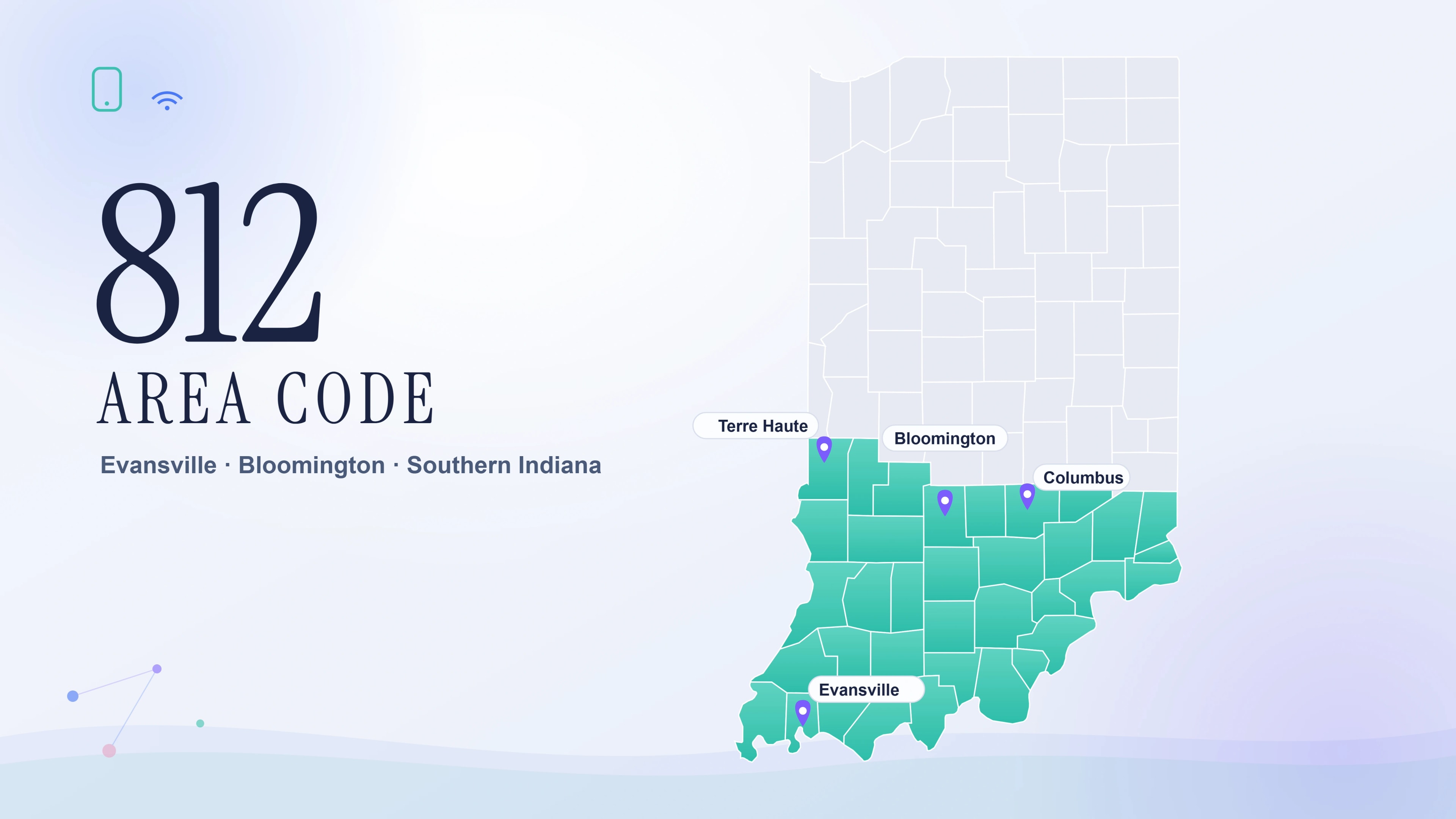
- The 812 prefix covers the southern third of Indiana — including Evansville, Bloomington, Terre Haute, Columbus, and the Jeffersonville–New Albany area.
- It was created in 1947 as one of the original North American area codes and was the first ever assigned in Indiana.
- The region spans two time zones: most of it observes Eastern Time, while the southwestern corner around Evansville is on Central Time.
- A single overlay, 930, arrived in 2015, making ten-digit dialing mandatory for every local call.
- A local southern-Indiana number lifts answer rates and builds trust, and a cloud provider can set one up in minutes.
What Is the 812 Area Code?
The prefix is one of the oldest in the country. It was introduced in 1947 as part of the original North American Numbering Plan, when Indiana was divided into two calling zones and the southern third received this code — the first ever issued in the state. It then served the region untouched for more than six decades, a rare stretch of stability. That longevity echoes another Midwest story told in our 319 area code guide, where an early prefix still anchors a regional identity today.
Roughly Forty Counties and a Sliver Across the River
The code serves roughly 40 counties across the southern third of Indiana — about 177 communities in all. It even reaches a small slice of Kentucky north of the Ohio River near Evansville.
- Evansville — the state's third-largest city and the anchor of the southwest
- Bloomington — home to Indiana University
- Terre Haute, Columbus, Seymour and Vincennes
- Jeffersonville and New Albany — across the river from Louisville
Time Zones — Eastern and Central
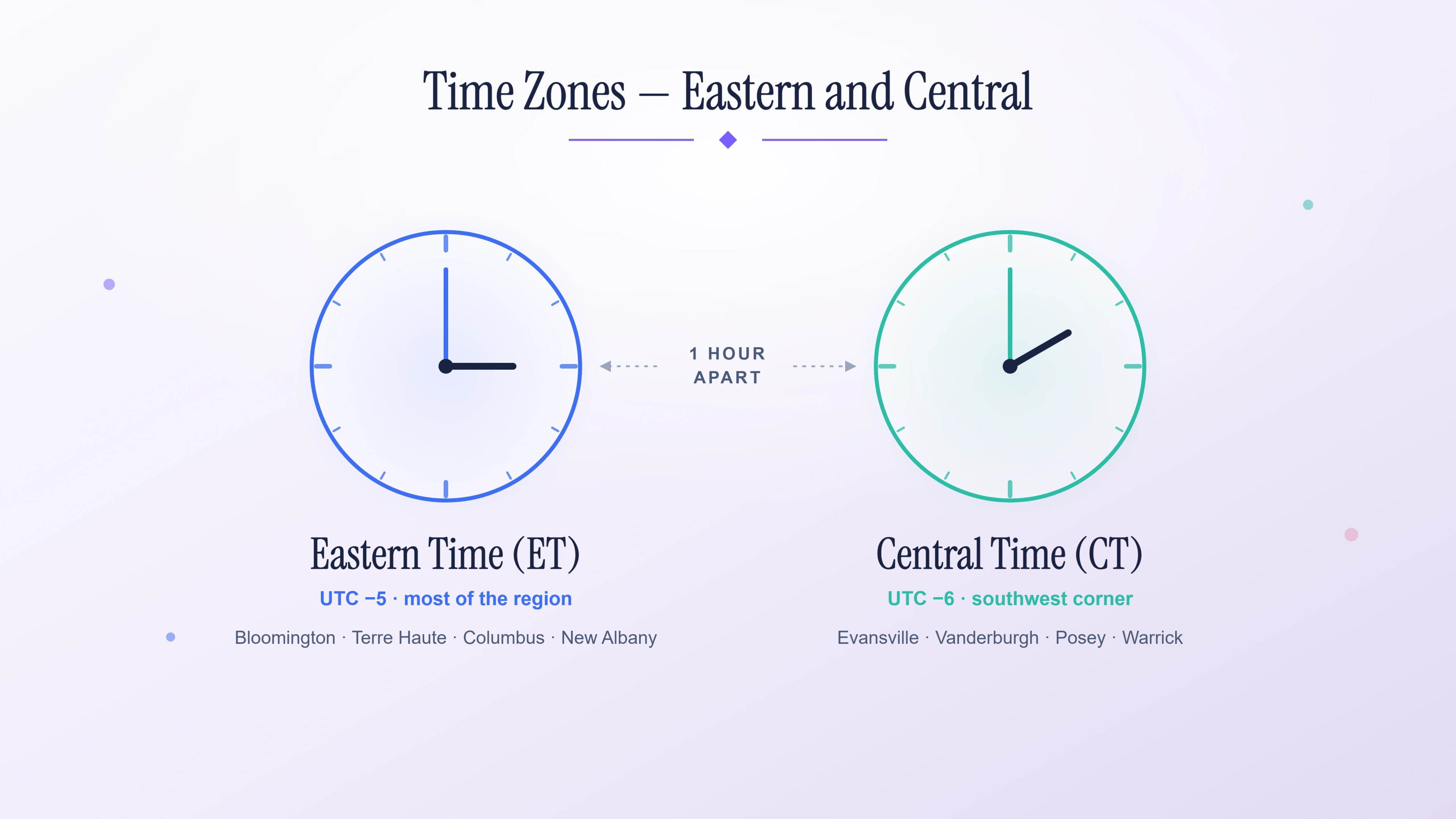
The region does not run on a single clock. The large majority of the territory — including Bloomington, Terre Haute, Columbus, and the Louisville-area suburbs — observes Eastern Time. But the southwestern corner, anchored by Evansville and covering Vanderburgh, Posey, Warrick, Gibson, and Spencer counties, sits in the Central Time zone. For any business taking calls across the region, that one-hour gap matters when scheduling callbacks or setting support hours.
Dialing and the 930 Overlay
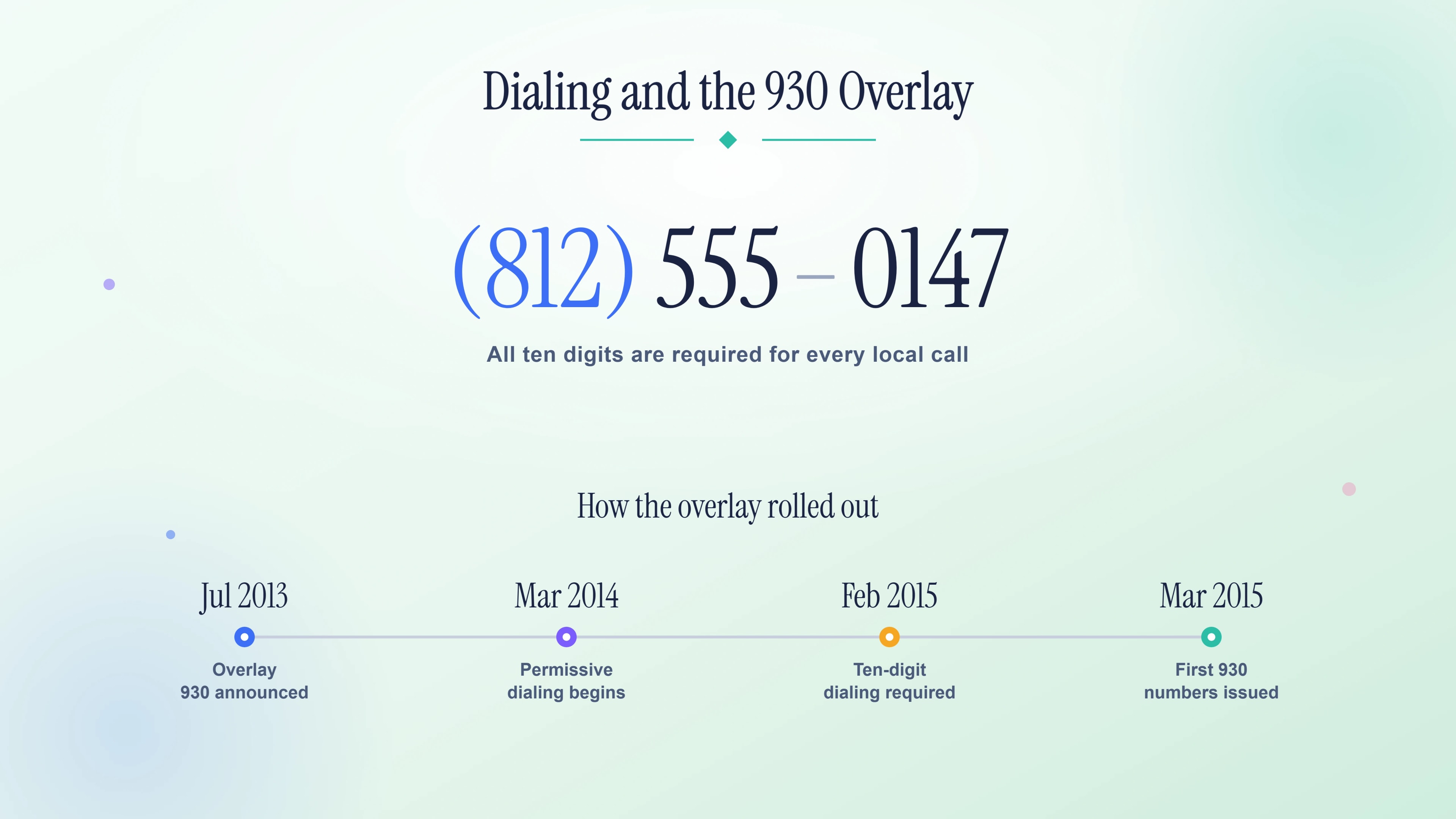
For decades, locals dialed just seven digits. That changed as demand for numbers outgrew supply. Regulators announced the 930 overlay — Indiana's first — on July 31, 2013. A permissive-dialing period opened on March 1, 2014, and on February 7, 2015, ten-digit dialing became mandatory for every local call. Today every caller dials the full code plus the seven-digit number, the same shift Detroit navigated — as covered in our 313 area code guide.
Benefits of an 812 Number for Business
Southern Indiana customers read an 812 or 930 number as a sign the caller is close by. For a company serving Evansville, Bloomington, or Columbus, that familiarity takes some of the resistance out of each inquiry and callback.
- Local credibility: people are far more likely to answer a call from a familiar local code.
- Stronger brand image: a recognizable regional number signals an established, invested business.
- Reach anywhere: cloud calling lets a company hold a local presence here while operating from anywhere.
- Better connections: a local line lowers the friction of every inbound inquiry.
Ready to claim a southern-Indiana presence?
Acepeak provisions local numbers with carrier-grade routing and instant activation, so a business can sound local from day one.
How to Get an 812 Number
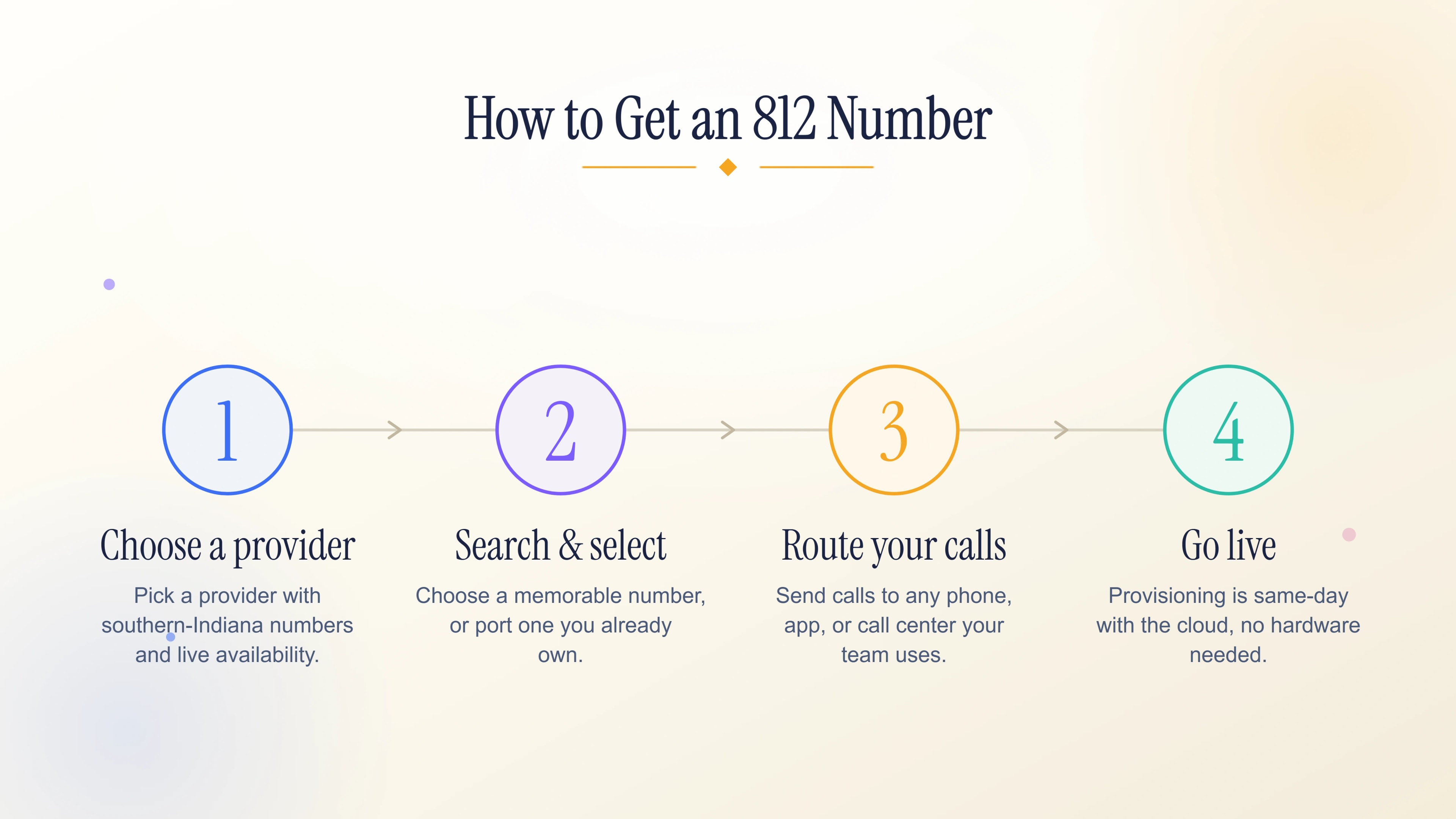
Whichever side of the time-zone line your customers are on, from Evansville to Columbus, a southern-Indiana line takes four steps to set up:
- Choose a provider: cloud platforms like Acepeak assign local numbers online with live availability.
- Pick or port a number: choose a memorable number, or transfer one you already own.
- Route your calls: send them to any phone, app, or call center your team uses.
- Go live: provisioning is often same-day, with no hardware to install.
Why Scammers Fake the Numbers Locals Answer
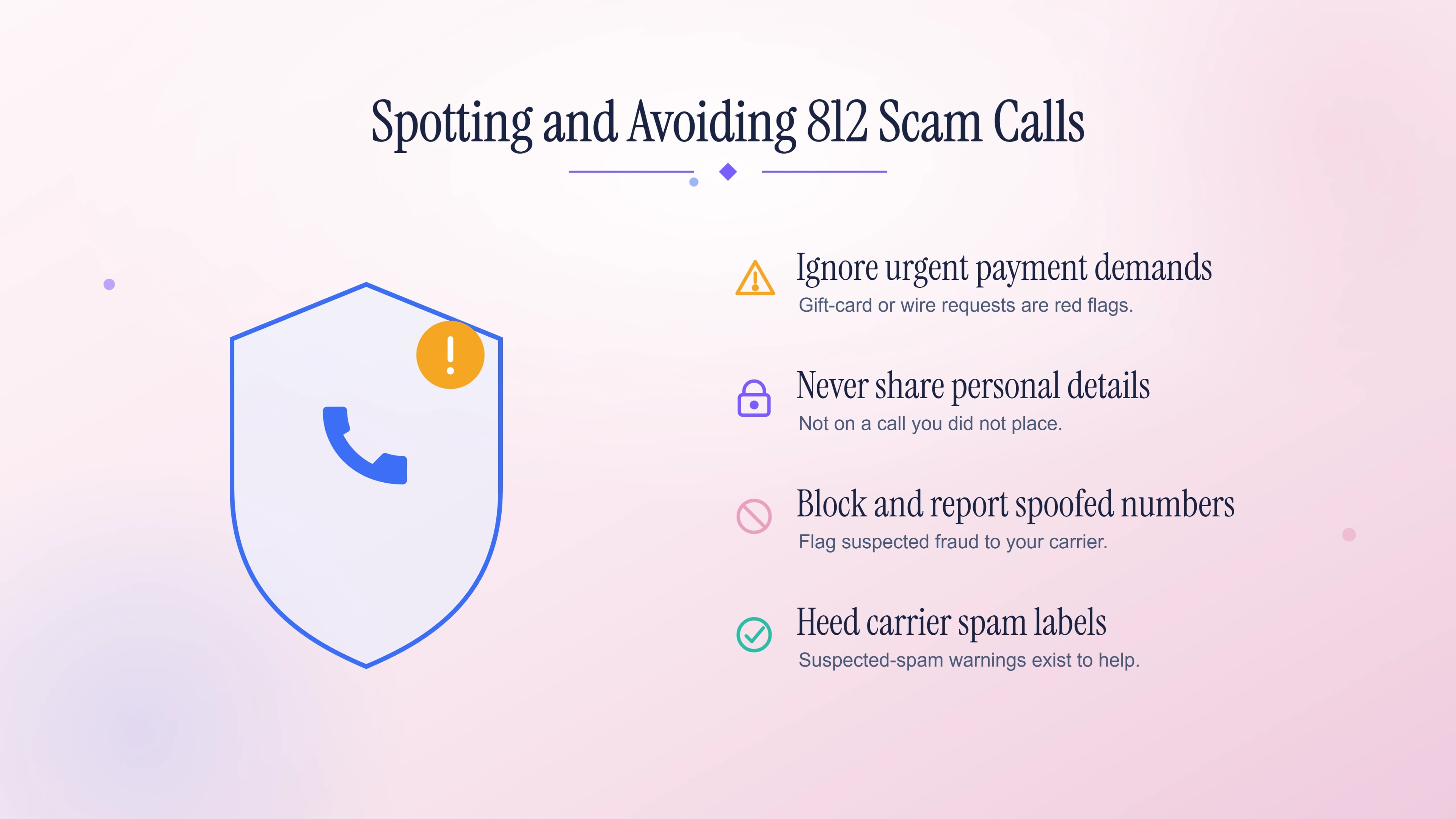
Southern Indiana residents are more likely to pick up an 812 or 930 number, and scammers exploit that by faking one that looks like a Terre Haute or Jeffersonville business. Four habits guard against it:
- Ignore urgent demands for payment by gift card or wire — they are classic red flags.
- Never share personal or financial details on a call you did not place.
- Block and report suspected spoofed numbers to your carrier.
- Heed the spam labels many carriers now add to suspicious calls.
The Future of the 812 Area Code
As southern Indiana grows, demand for local numbers will stay strong, and the 930 overlay leaves room for new ones without changing existing lines. The move to ten-digit dialing it brought mirrors a nationwide pattern set out in the FCC ten-digit dialing guide for overlay regions. For residents and businesses, the takeaway is simple: existing numbers stay put, and a recognized local identity only grows more valuable.
Know Both Clocks and the Ten-Digit Rule to Sound Local
Southern Indiana's prefix is more than a routing code — it is a marker of place, stretching from Evansville's Central-Time riverfront to Bloomington's Eastern-Time campus. Understanding its reach, its two time zones, and its ten-digit dialing rule helps any business present itself as genuinely local. With a cloud provider, claiming that presence takes minutes, not weeks.
Put a trusted southern-Indiana number to work today
Acepeak delivers local lines with smart routing, voicemail, and 24/7 support — everything a business needs to stay reachable.
Questions, answered.
It covers the southern third of Indiana — including Evansville, Bloomington, Terre Haute, Columbus, and the Jeffersonville–New Albany area — plus a small slice of Kentucky near Evansville.
Both. Most of the region observes Eastern Time, while the southwestern corner around Evansville is on Central Time.
Yes. Since February 7, 2015, ten-digit dialing has been mandatory for every local call because of the 930 overlay.
It is an overlay introduced in 2015 that serves the same region as 812, added when the original code began running low on numbers. Existing numbers did not change.
In 1947, as one of the original North American area codes and the first ever assigned in Indiana.
Yes. Cloud and hosted phone services let a business hold a local southern-Indiana number from anywhere while keeping a trusted local identity.
Signing up for an 812 area code number takes minutes with a cloud phone provider — no local office in Southern Indiana required. Pick the number, connect it to your existing phone or app, and calls route in immediately. This keeps the 812 area code presence you already have while adding the local credibility Indiana customers respond to.