Kern County and the Antelope Valley After the 805 Split
Area code 661 covers a large part of California, including most of Kern County and a wide stretch of northern Los Angeles County. Whether someone lives in the region or runs a business there, this prefix is part of daily life for more than a million residents.
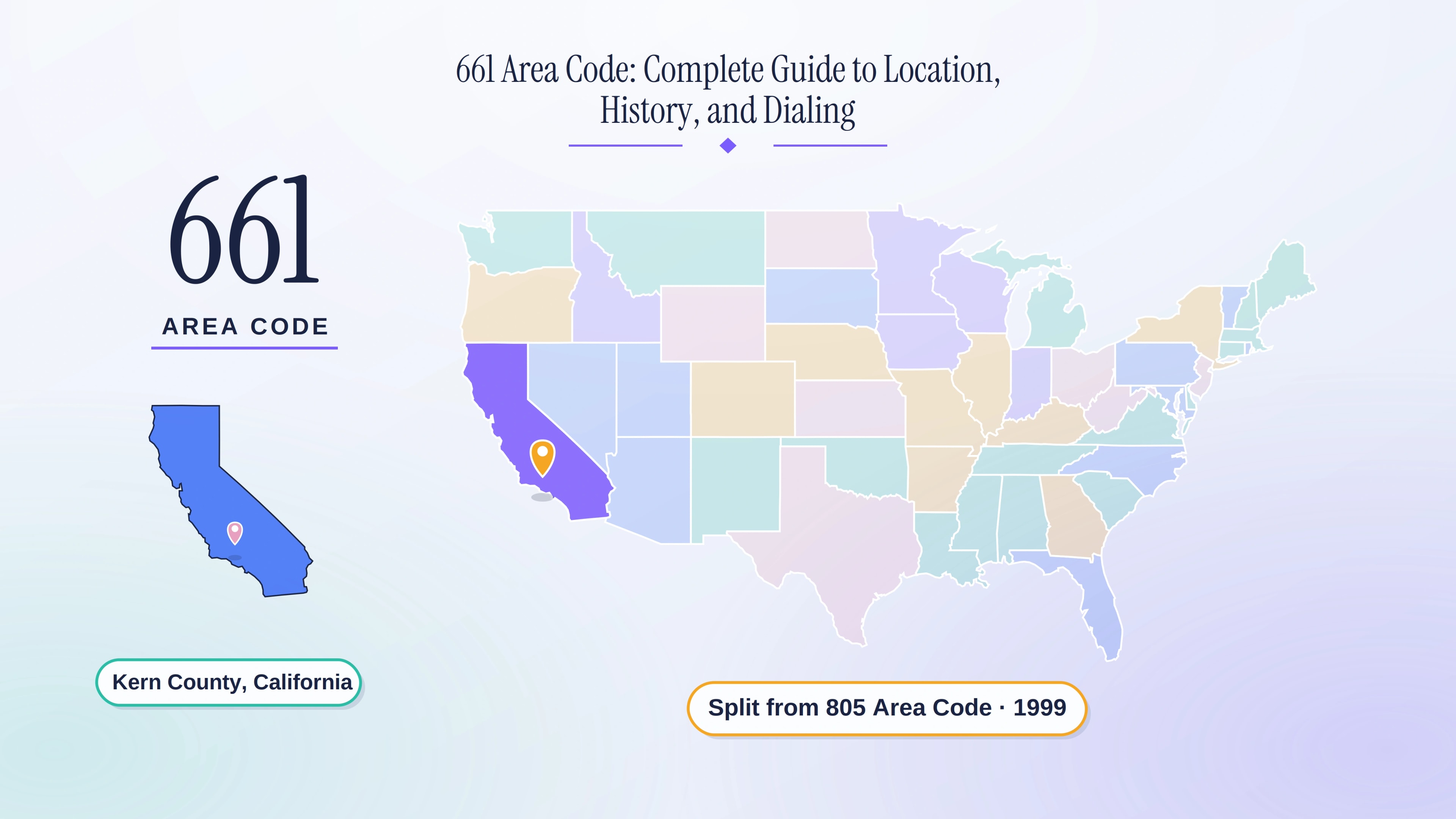
The prefix split off from 805 in 1999. It was created because the region needed more phone numbers as its population and business activity grew. Over time, it has become part of local identity across California's southern San Joaquin Valley and Antelope Valley.
This guide covers where the prefix works, its background, dialing rules, and how it fits into the local economy and everyday safety.
Key Takeaways
- Area code 661 covers most of Kern County and northern Los Angeles County, including Bakersfield, Lancaster, Palmdale, and Santa Clarita.
- The prefix went into service on February 13, 1999, splitting off from area code 805 — not 1997, a common misconception.
- All calls require 10-digit dialing: the three-digit prefix plus the seven-digit local number.
- Agriculture, oil and gas, aerospace, and healthcare anchor the regional economy.
- Robocalls and phishing remain the most common scams reported in the region.
What Is the 661 Area Code?
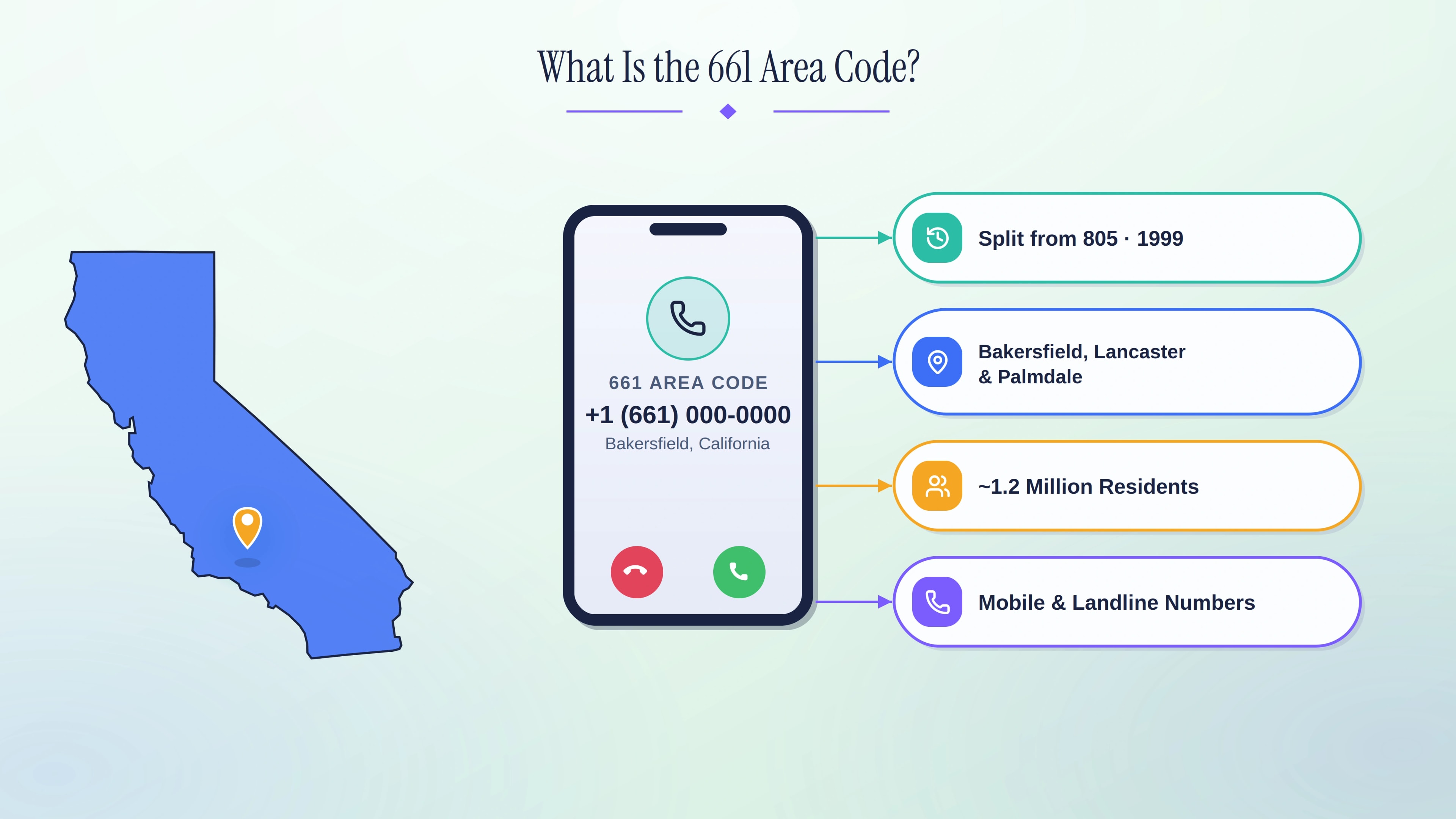
This is one of California's phone codes, and it mainly covers Kern County and nearby areas. Anyone in cities like Bakersfield, Lancaster, or Palmdale likely has a number that starts with 661.
It was not always this way. In 1999, the region was growing fast, and there were not enough phone numbers to go around. So regulators split this area off from the older 805 prefix to handle the extra demand. It was the same growth pattern that later produced the 310 area code when Los Angeles outgrew its own numbering plan.
Today, the prefix serves both mobile phones and landlines, connecting an estimated 1.2 million people across the region. For personal calls or business use, providers including Acepeak help keep everything running smoothly so people can stay connected.
Geographic Coverage and Service Area
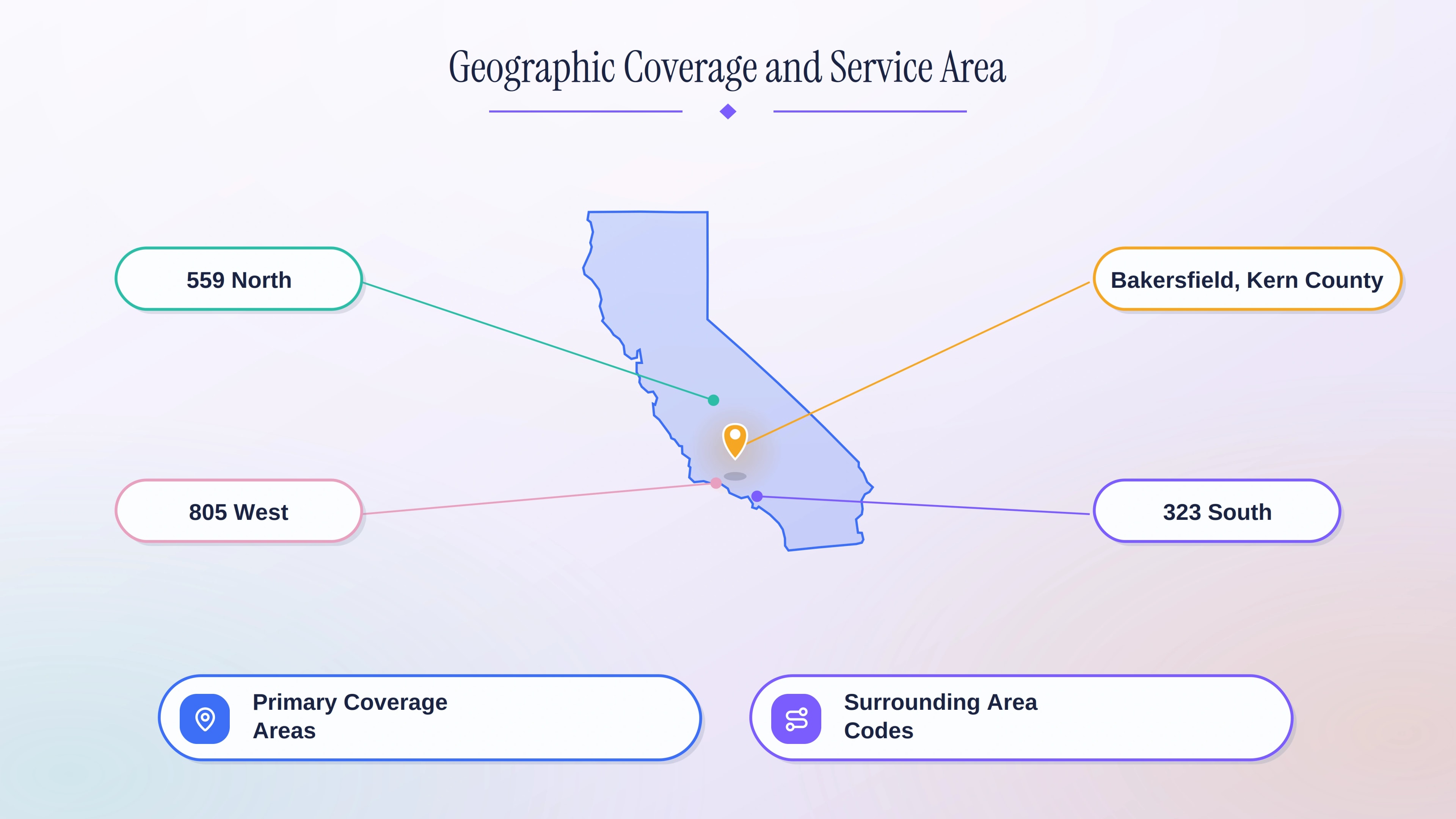
This numbering area covers a large part of central and southern California. It spans a mix of communities, from city centers to farm country, each with its own communication needs.
Primary Coverage Areas
Coverage includes Bakersfield, the county seat of Kern County, with about 400,000 residents. Lancaster and Palmdale, in the Antelope Valley part of Los Angeles County, are also served by this prefix. Other cities include Tehachapi, Delano, and Ridgecrest, so the service area covers a lot of ground.
Surrounding Area Codes
This region borders several other area codes. The 559 area code covers Fresno and Madera counties to the north. The 805 area code serves San Luis Obispo, Santa Barbara, and Ventura counties to the west. The 323 area code covers parts of Los Angeles County to the south.
Major Cities and Demographics
The region shows a wide mix of people and economic activity across its cities.
| City | Population | Primary Industries | Zip Codes |
|---|---|---|---|
| Bakersfield | ~400,000 | Oil, agriculture, healthcare | 93301–93314, 93380–93390 |
| Lancaster | ~170,000 | Aerospace, defense, renewable energy | 93534–93536, 93539 |
| Palmdale | ~155,000 | Aerospace, healthcare, logistics | 93550–93553, 93590–93591 |
| Tehachapi | ~13,000 | Renewable energy, tourism | 93561, 93581 |
| Delano | ~53,000 | Agriculture, healthcare | 93215 |
The median household income across the region ranges from $40,000 to $70,000, with a big gap between city and rural areas. Most residents have finished high school, and a good share have some college education.
Get your local phone number today.
Instantly establish a local presence in this market, connect with customers, and manage your calls from anywhere in the world.
Dialing Requirements and Phone Number Formats
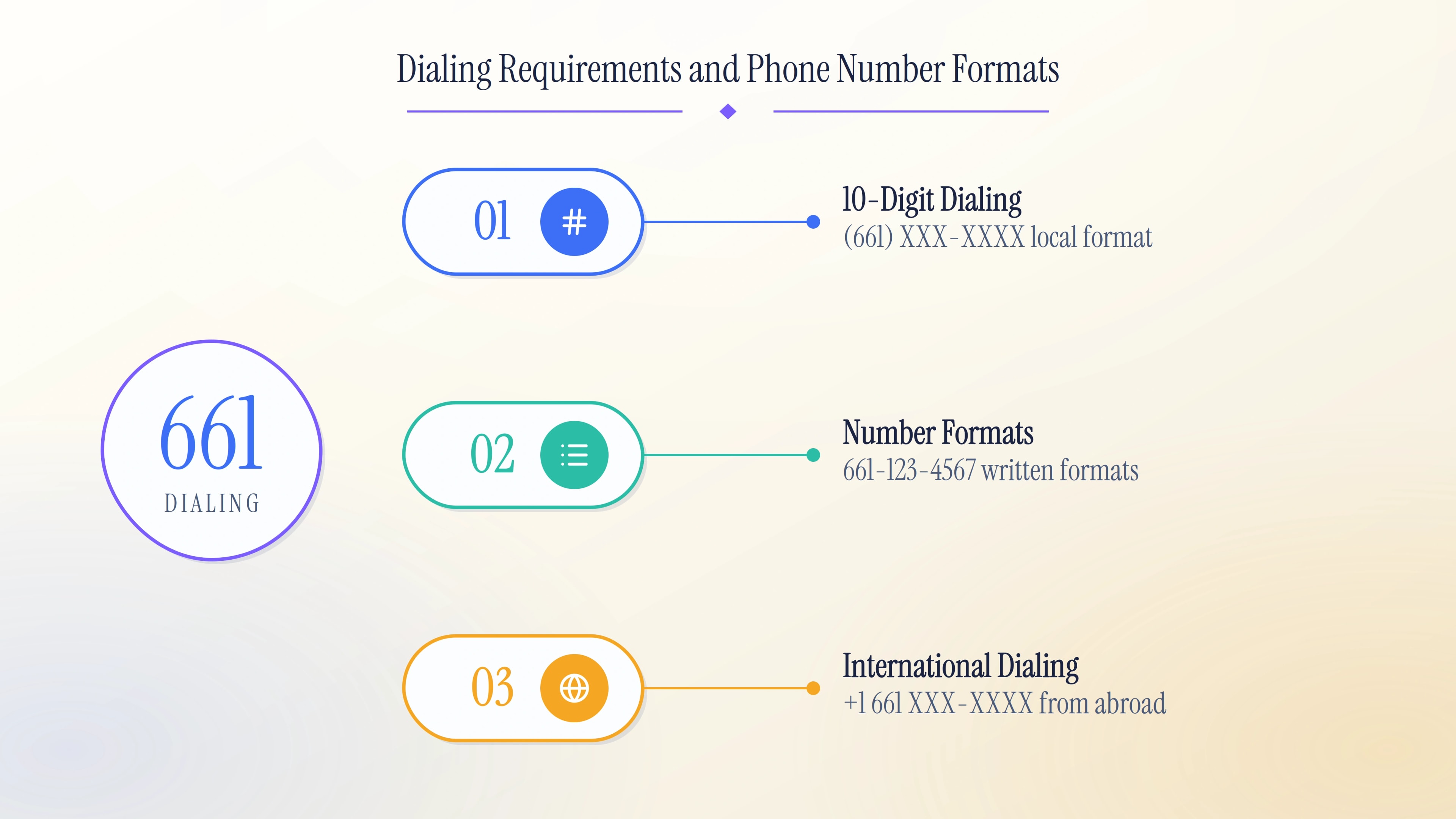
Knowing the right way to dial keeps calls working, both inside and outside this coverage area.
10-Digit Dialing System
All calls need 10-digit dialing: the prefix plus the seven-digit phone number. The standard format is (661) XXX-XXXX or 661-XXX-XXXX. This applies to both local and long-distance calls within the region.
Common Phone Number Formats
People write numbers in this prefix a few common ways:
- XXX-XXX-XXXX format (661-123-4567).
- (XXX) XXX-XXXX format ((661) 123-4567).
- XXX.XXX.XXXX format (661.123.4567).
When dialing from outside the United States, callers must add the country code (+1) before the 10-digit number. Calls from the US to other countries need 011 dialed before the country code.
History and Implementation
This prefix was created because the region badly needed more phone numbers. Before 1999, the area used the 805 area code, which ran out of room as population and business growth sped up through the 1990s.
The split took effect on February 13, 1999, and created two separate area codes for two different regions. This prefix now covers the southern and central San Joaquin Valley and the Antelope Valley, while 805 keeps serving the central coast. The split made sure there were enough numbers for future growth.
Acepeak knows how much this region depends on solid phone and internet service, and offers communication tools to support local businesses and residents.
Economic and Cultural Significance
This region adds a lot to California's economy through a mix of industries and a rich cultural history.
Major Economic Drivers
Farming remains a backbone of the local economy. Kern County's farms brought in $7.96 billion in gross production value in 2024, led by citrus, grapes, and carrots, according to the county's 2024 Crop Report. Oil and gas has been a mainstay of the regional economy since the early 1900s, providing thousands of jobs and steady income. Healthcare adds thousands more jobs, anchored by places like Kern Medical Center and Bakersfield Memorial Hospital.
Businesses moving into the market can get a local number without opening a physical office. That approach is becoming common across the logistics, healthcare, and farming sectors that drive the local economy.
Cultural Attractions and Events
The Bakersfield Jazz Festival brings in local and national talent each year, drawing visitors from across the state. The Kern County Museum keeps regional history alive through exhibits on oil production, farming, and Native American heritage. The historic Fox Theater hosts concerts, plays, and musicals all year.
Education and Research
California State University, Bakersfield (CSUB) offers undergraduate and graduate programs in business, education, and healthcare. The Kern Community College District offers job training and associate degree programs. The University of California Cooperative Extension runs agricultural research and community education.
Protecting Yourself from Scams in the 661 Area Code
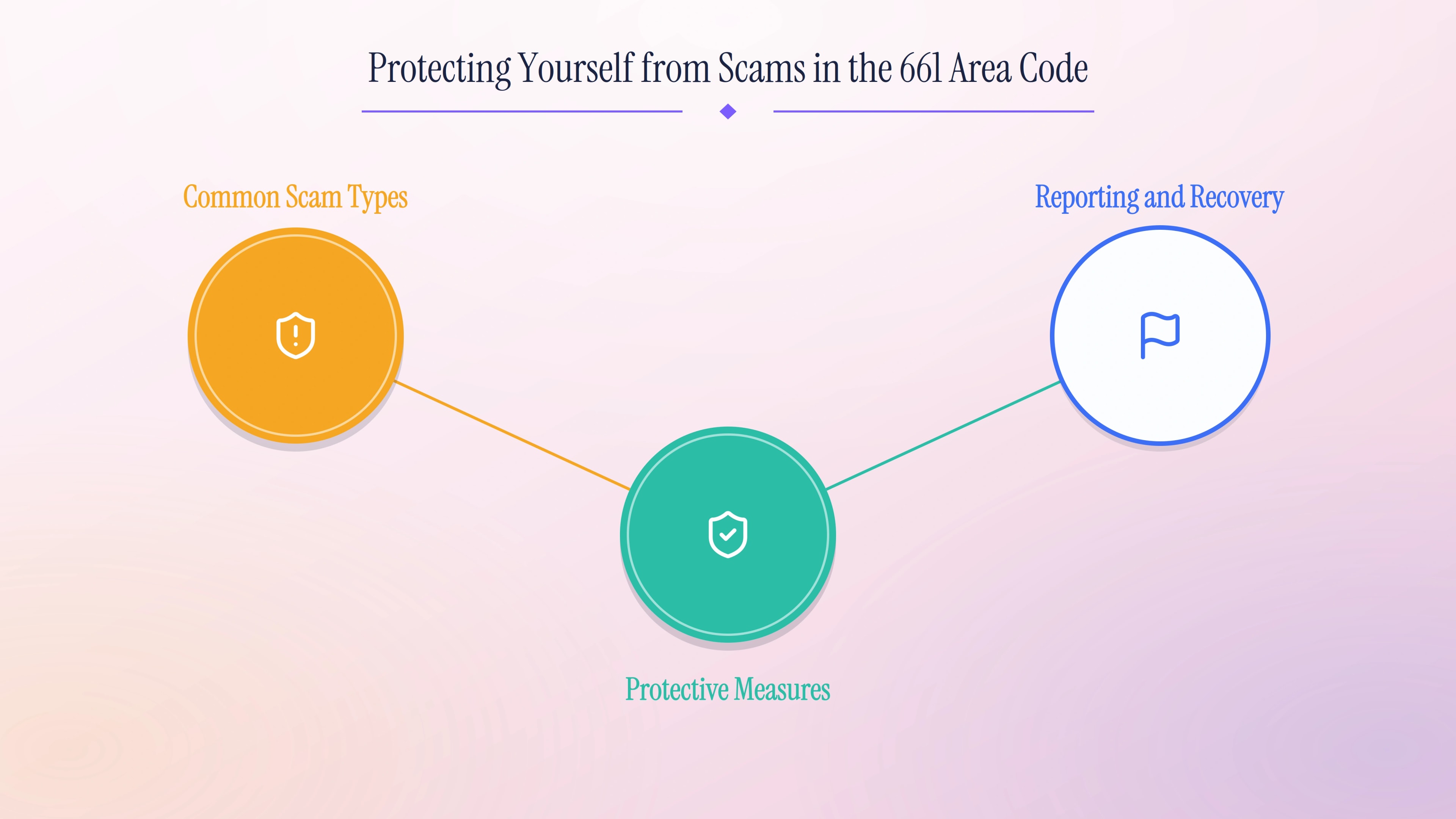
Residents and businesses in this region face a range of phone scams, so awareness and a plan to guard against them both matter.
Common Scam Types
Robocalls are one of the biggest headaches right now. These automated calls pretend to be from government agencies, banks, or tech support, and pressure people to hand over personal details or make a quick payment. Phishing attempts arrive by email, text, or social media DM. They try to trick people into sharing sensitive information like passwords, Social Security numbers, or bank details. Identity theft schemes then use whatever data scammers grab to open accounts, make purchases, or commit other fraud.
Protective Measures
Always check who is actually calling. If someone claims to represent a real organization, hang up and look up their official number instead of using the one they gave. Real companies, banks, and government offices almost never ask for sensitive information over an unsolicited call, text, or email. Treat any such request as a red flag. Sign up for the National Do Not Call Registry to cut down on telemarketing calls. Apps like Nomorobo and Truecaller, or a phone's built-in call blocking, can filter out many suspicious calls before they even ring through.
Reporting and Recovery
Anyone targeted, or anyone who has lost money, should report it right away. Complaints can be filed with the Federal Trade Commission (FTC) by phone at 1-877-FTC-HELP (1-877-382-4357) or through its website. It is also smart to tell the local police department, especially if money or identity theft is involved. Credit reports deserve regular checks, and a credit freeze with the major bureaus can stop new accounts from being opened in someone's name. Residents can also reach out to the California Attorney General's Office at 1-800-952-5225 for local help and resources.
Why the 661 Area Code Matters for Businesses
For telecom companies like Acepeak, this prefix is more than just a number — it stands for a valuable local market. A number from this region helps a business feel familiar and trustworthy to people nearby. That sense of local connection can decide whether customers pick up a call at all.
For businesses, using a local number assigned under the North American Numbering Plan can improve how customers respond. People are more likely to answer calls from a number that looks local, which can lead to better engagement and stronger relationships.
At the same time, modern cloud phone systems make things easier. Companies do not need to be physically based in the area to use a local number — they can run the business from anywhere while still keeping a local presence. Tools like call tracking and analytics give businesses useful insight into customer behavior, helping them sharpen their marketing and communication over time.
Know the Map, the Dialing Rules and the Scams to Watch
This prefix works as a key phone and internet hub for central and southern California, linking many communities and backing strong economic activity. From its start in 1999 to its current role supporting roughly 1.2 million residents, the region has grown to meet rising communication needs. Knowing the coverage, dialing rules, and safety tips around area code 661 helps residents and businesses communicate well while staying safe from fraud.
As technology keeps moving forward, this area code will stay essential to the region. Businesses looking to build a local presence, and people who need reliable communication, can count on the established phone network behind this prefix. By staying informed and using modern communication tools, the community can keep building connections and growing the economy across the region.
Get your local phone number today.
Instantly establish a local presence in this market, connect with customers, and manage your calls from anywhere in the world.
Questions, answered.
This prefix serves several cities in central and southern California, including Bakersfield, Lancaster, Palmdale, Tehachapi, Delano, and Ridgecrest, along with the surrounding areas of Kern County and the Antelope Valley.
It went into service on February 13, 1999, after splitting from the 805 area code to meet growing demand for phone numbers in the region — not 1997, as is sometimes reported.
Calls within this region need 10-digit dialing: the prefix (661) plus a seven-digit phone number. This applies to both local and long-distance calls within the region.
Scams tied to this prefix often involve robocalls, phishing, and identity theft attempts. Be cautious with unsolicited calls or messages, and always check who is calling before sharing personal information.
This region is home to key industries including agriculture (mainly citrus, grapes, and carrots), oil and gas production, aerospace, healthcare, and renewable energy, which together give it a varied economy.
Signing up for a 661 area code number takes minutes with a cloud phone provider — no local office in Bakersfield required. Pick the number, connect it to your existing phone or app, and calls route in immediately. This keeps the 661 area code presence you already have while adding the local credibility California customers respond to.